The disappearance of Madeleine McCann in May 2007 remains one of the most widely followed missing-person cases in modern history. Nearly two decades later, investigators and independent researchers continue to examine various elements of the case, including a rental vehicle that has often been cited in discussions about the investigation’s early stages.
Among the details frequently referenced is a silver Audi rental car used by Madeleine’s parents several weeks after she disappeared from a holiday apartment in Praia da Luz, Portugal. The vehicle entered the public conversation after forensic search dogs trained to detect human remains and blood reportedly alerted to areas inside the car during investigative work conducted months after the disappearance.
The alerts, however, have long been the subject of debate. While cadaver dogs are widely respected tools in forensic investigations, their responses alone are not considered conclusive evidence. Experts generally note that dog alerts must be supported by laboratory-confirmed forensic results before they can be used as proof of a crime.
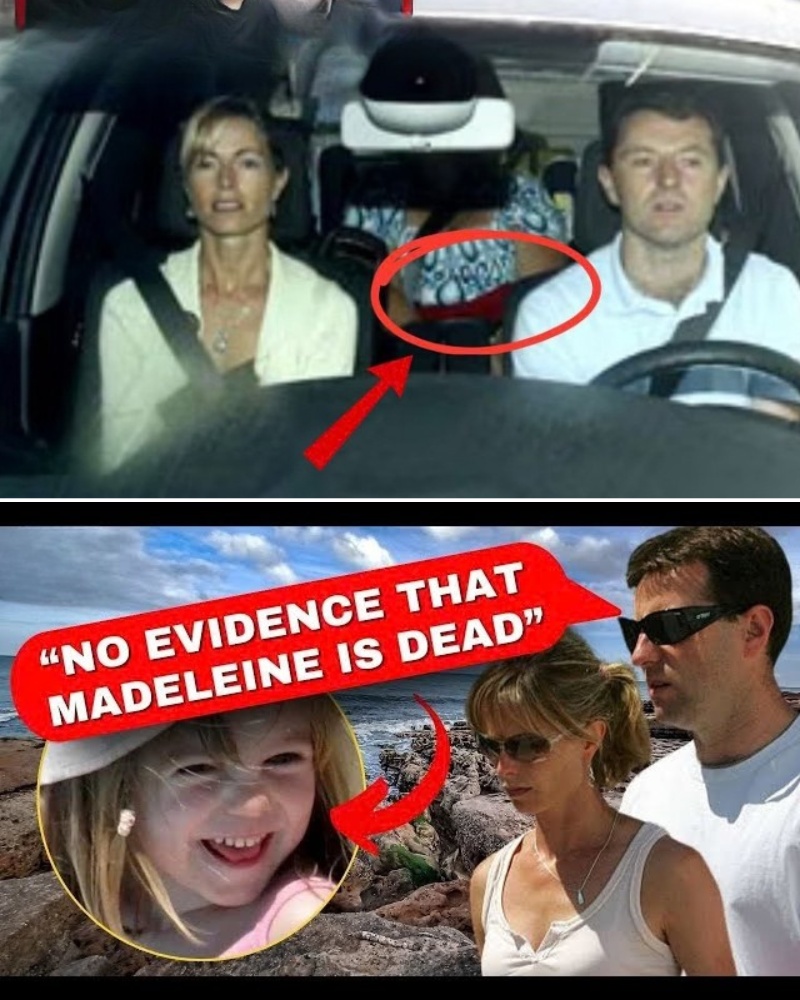
In the McCann investigation, laboratory testing did not produce definitive findings that confirmed the presence of human remains belonging to Madeleine. As a result, authorities were unable to draw firm conclusions from the alerts alone. The evidence remained part of the broader investigative record but did not establish a clear timeline of events.
Another point often raised in discussions about the vehicle is the timing of the rental itself. Records indicate the car was rented approximately 25 days after Madeleine disappeared. That timeline has prompted ongoing speculation among commentators, who question whether the vehicle could still be relevant to the case weeks after the initial incident.
Witness accounts from the period have also circulated in media coverage, including reports that the car was occasionally seen with doors open while parked in warm weather. Observers have offered varying explanations, ranging from routine ventilation to attempts to address odors inside the vehicle. However, investigators never confirmed that these circumstances were connected to criminal activity.
More broadly, the McCann case has been marked by years of competing theories, evolving investigative strategies, and international cooperation between law enforcement agencies. Portuguese, British, and German authorities have all participated in the investigation at different stages, with German prosecutors identifying a suspect in recent years, though the case remains unresolved.
Today, the discussion surrounding the rental car illustrates a larger challenge in long-running investigations: separating confirmed evidence from speculation that grows over time. While certain details continue to attract public interest, investigators emphasize that conclusions must ultimately rely on verifiable forensic findings rather than unanswered questions alone.
Nearly two decades after Madeleine vanished, the case continues to generate worldwide attention. Each revisited detail — whether a witness statement, a forensic alert, or a timeline discrepancy — underscores how complex the search for answers remains.