For Phil Haines, November was meant to bring a beautiful milestone: 40 years of marriage to the woman who has shared his life, raised their three children and stood beside him through decades of change.
But now, as he watches over his wife in hospital, the future they had expected to celebrate together has been overshadowed by a devastating new reality.
Helen Haines, the 65-year-old independent MP for Indi, remains in Melbourne’s The Alfred hospital after suffering catastrophic injuries when she was struck by a vehicle outside her electorate office in Wangaratta on October 19. Both of her legs have been amputated, and her recovery is expected to be long and difficult.
In an emotional public statement on October 21, Phil spoke about the woman he has known for almost four decades.
Rather than focusing only on the severity of her injuries, he wanted people to remember Helen for her compassion, intelligence and extraordinary determination.
“The good news in all this is that Helen is alive and she’s stable,” he said.
For their family, those words carried enormous weight.
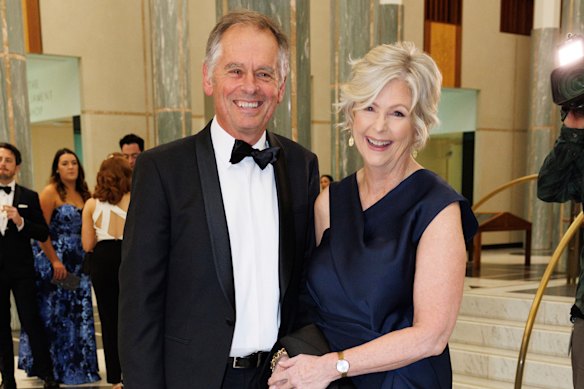
As they approach their 40th wedding anniversary, Phil, their three children and their grandchildren are facing a period none of them could have anticipated. Yet amid the uncertainty, there remains a powerful message of hope: Helen is still here, and the family is determined to support her through the difficult road ahead.
The Words Phil Chose to Describe the Woman He Loves
Standing outside the hospital, Phil found himself speaking publicly about his wife in circumstances he could never have imagined.
He confirmed that Helen had lost both legs as a result of her injuries, explaining that doctors had initially hoped to save her right leg but were ultimately unable to do so.
He was also clear about the scale of the challenge facing her.
Her recovery, he said, would be long and difficult. But he insisted that Helen was a fighter, a determined woman who would do her best with the support and love of those around her.
Then he spoke about two qualities he believes define her.
“Her heart is huge,” Phil said, describing Helen as compassionate, caring and loving, and someone who has always supported the people around her.
He also praised her intellect, describing her as someone with an intense desire to learn, read and understand the world.
These were not simply words of admiration from a husband speaking about his wife. They reflected the qualities that had shaped Helen’s life, from her early career in healthcare to her years representing a regional Victorian community in federal Parliament.
Phil’s message was that the injuries did not erase the person Helen was before the incident.
Her circumstances have changed dramatically, but the kindness, intelligence and determination he has admired throughout their marriage remain central to how he sees her.
Forty Years Together — And a Milestone That Now Carries a Different Meaning
Helen and Phil married in 1986, after meeting in north-east Victoria, where Phil worked as an agricultural scientist.
They built their life together on a small farm in the King Valley near Wangaratta, raising their three children, Will, Nick and Georgia.
Their 40th wedding anniversary is due in November 2026. Before the incident, it would have been another opportunity to celebrate a relationship that has lasted through the demands of family life, professional responsibilities and Helen’s growing public role.
Now, the anniversary approaches under very different circumstances.
No public announcement has been made about how the couple will mark the milestone.
The immediate focus remains on Helen’s condition and the difficult process of recovery ahead.
But the significance of the date is difficult to ignore.
Forty years represents a lifetime of shared decisions, familiar routines and memories that only two people who have travelled so far together can fully understand.
For Phil, the woman he married is now facing an enormous challenge. For Helen, the support of the man who has accompanied her through so many chapters of life will be an important part of the journey ahead.
Their anniversary may not unfold as they once expected. Yet the commitment represented by those four decades remains at the heart of their story.

A New Grandchild Had Given Helen Another Reason to Look Ahead
In the weeks before the incident, the Haines family had welcomed another grandchild.
It was a joyful development for Helen and Phil, who already had grandchildren and were beginning to enjoy another stage of family life.
According to reporting by ABC News, Helen had recently spoken to friends about how politics could sometimes draw her away from the people she loved most.
She had been thinking about what might come next after years of work and public service.
With a new baby to adore, she wished she could live closer to family and enjoy more of those precious early moments.
She wanted to see the baby’s first smiles, savour the newborn smell and spend more time being a doting grandmother.
Those are ordinary wishes, but they reveal a deeply personal side of a woman widely known for her political work.
For years, Helen had balanced family responsibilities with a demanding career. She had served as a nurse, midwife and health researcher before entering federal Parliament in 2019.
As her family grew, she was beginning to reflect on the time she wanted to devote to the people closest to her.
The recent arrival of another grandchild had brought a new sense of joy to that period of her life.
Now, as her family waits beside her hospital bed, those simple hopes have taken on a different poignancy.
The immediate priority is her recovery, with the hope that she will be able to share more of those family moments in the future.
From Nurse and Midwife to a Voice for Her Community
Before entering politics, Helen spent decades working in healthcare, including as a nurse and midwife.
 She later undertook further study in public health and medical science, building a career in research and healthcare leadership.In 2019, Helen became the independent federal member for Indi, succeeding another independent representative, Cathy McGowan.
Her parliamentary work focused on issues affecting regional Australians, including healthcare, integrity in government, emergency communications and the challenges facing rural communities.
Colleagues and constituents have often described her as attentive to the people she represents.
ABC News reported that she was known for sending handwritten cards and remembering personal details about those she met.
That quality of personal connection has been reflected in the response to the incident, with residents leaving flowers and handwritten messages outside her Wangaratta electorate office.
For many in the community, Helen has been more than a politician. She is a familiar person who has listened to their concerns, advocated for regional services and maintained close ties with the people she represents.
Now, those same communities are sending messages of support to her and her family.
The Health Update That Brought a Small Measure of Relief
In the days following the incident, Helen remained in a critical condition while doctors treated her severe injuries.
Her husband confirmed on October 21 that both legs had been amputated.
The news was devastating, but Phil emphasised that she was alive and that her family remained hopeful.
On Saturday, October 24, The Alfred hospital reported that Helen’s condition had improved to serious but stable.
It was the first significant improvement in her condition publicly reported since the incident.
As of October 27, the latest reliable public medical update available for this article remained that October 24 statement. No further confirmed details about her recovery or rehabilitation had been released in the sources reviewed.
The distinction between being stable and being out of danger remains important. Helen is still facing a serious medical situation, and the long-term course of her recovery is not yet known.
For Phil and their family, the improvement offers a reason for cautious hope, but it does not remove the uncertainty surrounding the weeks and months ahead.
The immediate priority remains Helen’s health, supported by the medical team caring for her and the loved ones who are waiting for her recovery to progress.
“Take Things Day by Day”: Phil’s Message to the Family and Community
During his public statement, Phil also reflected on what the past few days had taught him.
“One thing I’ve learned in the last two days, reinforced by many people, is to take things day by day,” he said.
He acknowledged that the phrase might sound familiar, but added that it was familiar for a reason.
For families dealing with a sudden medical crisis, the future can quickly become overwhelming. Questions about recovery, daily life and what comes next may not have immediate answers.
Taking things day by day is a way of concentrating on what matters most at the present moment, without trying to solve every uncertainty at once.
Phil thanked the medical staff, emergency responders and members of the public who had helped Helen.
He also expressed gratitude for the messages of support that had come from across Australia and beyond.
His request was simple: that people continue to send Helen and the family their love.
In Parliament on October 26, Prime Minister Anthony Albanese echoed that message, telling the chamber that the country stood with Helen, Phil, their children and their grandchildren.
The tribute was a reminder that the impact of the incident had reached far beyond Wangaratta, touching colleagues, constituents and people who had never met Helen personally.
A Long Road Ahead, With Family at the Centre

The coming months will bring difficult adjustments for Helen and those closest to her.
Her physical recovery will require time and specialist care. The loss of both legs will mean significant changes to everyday life, while the emotional consequences of the incident will also need space and support.
No reliable source has yet established what Helen’s eventual rehabilitation will involve or when she might be able to return to public life.
For now, it is too early to make predictions about the future.
What is clear is that Phil and the family intend to stand beside her as she works through each stage of recovery.
Their home in the King Valley, the life they built together and the grandchildren whose early milestones Helen had been looking forward to enjoying all remain part of the family’s world.
The anniversary in November may arrive without the celebrations they had expected.
But it will still mark 40 years of marriage, shared memories and a partnership that has endured countless changes.
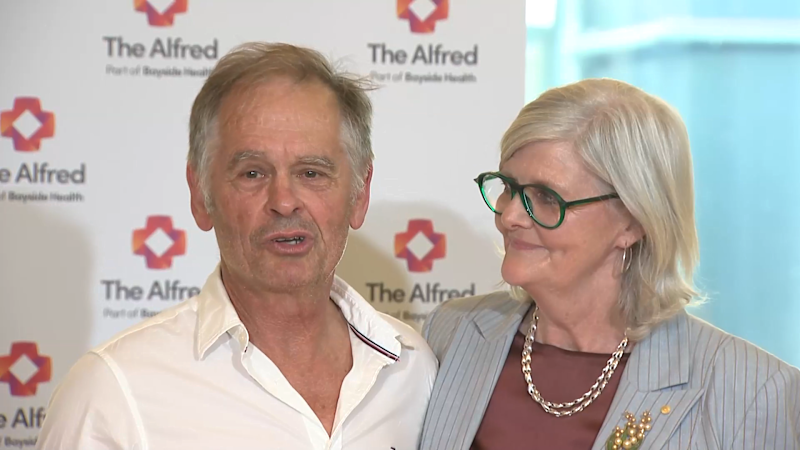
For Phil, the coming days are about supporting the woman he loves. For their children and grandchildren, they are about hoping for more time together and the chance to create new memories.
The road ahead will be long, and many questions remain unanswered.
Yet the message Phil delivered outside the hospital was clear: Helen is alive, she remains the person he knows and loves, and her family will continue to support her through whatever comes next.
As they approach a milestone that once promised celebration, their focus has shifted to something more immediate and profound — the hope of recovery, the strength of family and the possibility of being together for the moments still to come.