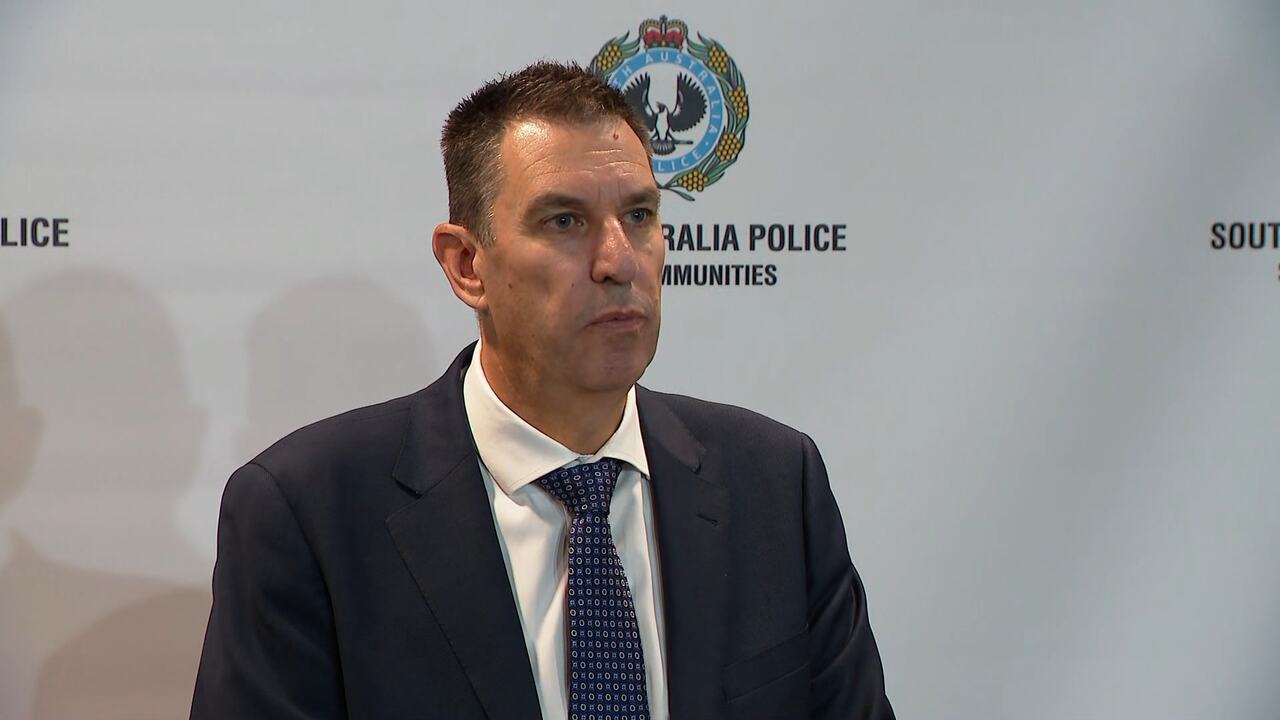
The shocking revelation from South Australian police has shattered any remaining illusions about the disappearance of four-year-old August “Gus” Lamont: the boy did not wander off into the vast, unforgiving outback, and the prolonged, exhaustive searches that gripped the nation were, in essence, futile from the start. In a stark press conference on February 5, 2026, Detective Superintendent Darren Fielke of the Major Crime Investigation Branch declared the case a “major crime,” confirming that investigators now believe Gus is no longer alive and that foul play within the household is the focus.
“We don’t believe now that Gus is alive,” Fielke stated bluntly. He emphasized that despite one of the largest and most intensive missing-person searches in South Australian history—covering hundreds of square kilometers with helicopters, drones, ground teams, Indigenous trackers, and volunteers—no physical evidence, footprints, clothing, or any sign whatsoever supports the theory that Gus simply strayed from the family homestead at Oak Park Station. “Despite these extraordinary efforts, all of the combined searches have found no evidence, physical or otherwise, to suggest Gus has wandered off,” he said. There is also “no evidence to suggest that Gus was abducted from the property” by an outsider.
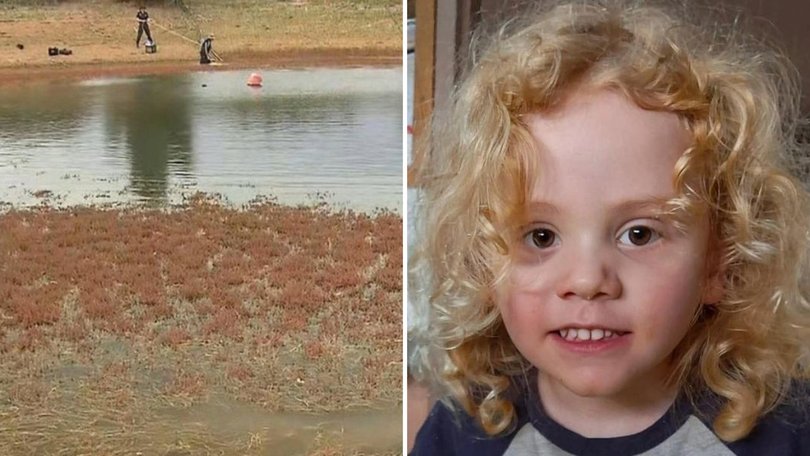
This pivot marks a devastating turn in a case that began innocently enough on the evening of September 27, 2025. Gus was last seen playing on a mound of dirt outside the remote sheep station homestead near Yunta, about 300 kilometers north of Adelaide in South Australia’s mid-north outback. The property, isolated amid scrubland and dirt tracks, is home to harsh conditions: extreme temperature swings, sparse water, and dense vegetation that could easily swallow a small child. Gus had been staying there with his mother Jessica, his younger brother Ronnie, and his maternal grandparents, Josie Murray and Shannon Murray.
His grandmother reportedly spotted him around 5 p.m. and went inside briefly; when she returned to call him in half an hour later, he was gone—no cries, no struggle, no immediate clues. The family began searching before alerting authorities, triggering Task Force Horizon. Multiple large-scale operations followed, draining dams, scouring gullies, and combing vast areas equivalent in size to major cities. Yet nothing emerged. Early hopes faded as weeks passed without a trace, leading police to quietly reassess.
Behind the scenes, the breakthrough came from scrutinizing accounts provided by those present. In mid-January 2026, detectives executed search warrants at the homestead on January 14 and 15, seizing items including a vehicle, a motorcycle, and electronic devices for forensic analysis. Further searches around the property occurred as recently as February 2, specifically targeting potential remains. What investigators uncovered were “a number of inconsistencies and discrepancies” in timelines and versions of events shared by family members.
A key person residing at Oak Park Station—someone known to Gus and part of the immediate household—initially cooperated but withdrew that support after police confronted them with these contradictions. “As a result of these inconsistencies, and investigations into them, a person who resides at Oak Park Station has withdrawn their support for the police and is no longer cooperating with us,” Fielke explained. “The person who has withdrawn their co-operation is now considered a suspect in the disappearance of Gus.” He repeatedly stressed that Gus’s parents are not suspects, underscoring the delicate family dynamics at play.
The suspect’s identity remains protected under investigative protocols, and no arrest has been made. However, reports indicate that two grandparents—Josie and Shannon Murray—have each retained prominent Adelaide criminal lawyers: Andrew Ey for Josie and Casey Isaacs for Shannon. This legal step, while not uncommon under intense scrutiny, highlights the gravity of the shift from a missing-child appeal to a suspected homicide probe.
The remote nature of Oak Park Station amplifies the tragedy’s eerie undertones. Far removed from neighbors, CCTV, or rapid emergency services, the homestead provided privacy but also an environment where something could occur undetected. With no survival signs after more than four months in such terrain, police now treat the matter as involving Gus’s “disappearance and suspected death.” Forensic examination of seized items continues, and investigators insist they will pursue every lead meticulously until resolution.
Public reaction has been one of profound grief mixed with outrage. Initial sympathy for a family enduring every parent’s nightmare has given way to horror at the implication of betrayal from within. Online forums, social media, and news comments reflect shock that the massive community effort—praised as heroic—may have been misdirected from the outset. Many express anger over the emotional toll on volunteers and searchers, while others focus on the cleared parents’ ongoing pain: grieving without closure, now amid family suspicion.
This development exposes vulnerabilities in isolated rural settings, where children rely entirely on household adults, and initial assumptions can delay critical forensic focus. The outback has claimed lives through accident before, but here the evidence—or lack thereof—points inward. As Fielke noted, the investigation remains complex and sensitive, with police “cognisant of how delicate that is, and what that means for the family.”
For Gus’s loved ones, particularly his parents, the update brings no comfort—only the grim certainty that their boy is gone, and answers lie not in the endless scrub but closer to home. The nation watches as forensics unfold and the suspect remains under scrutiny, hoping justice emerges from the silence that has shrouded Oak Park Station for too long. The searches may have been in vain, but the pursuit of truth has only intensified.